

Checking in to see you’re not breaking any local zoning laws, or permit requirements by installing a fence in your backyard? Well, you’ve come to the right place! In short, a majority of the time, you do not need a permit for residential fences, and you are also most likely not breaking any laws unless the fence you are installing is not within your property lines.
Key things to know, however, are the height of the fence you are installing, where your property lines are, and the type of fence you are building. From there, we’ll decipher for you what exactly the dos and don’ts of installing a fence are, so you won’t get a knock on your door from the local police!
Let’s break down what you can and can’t do when installing a fence in Virginia.
What You Can & Can’t Build
In Virginia, local ordinances usually determine the specifics around fence height and location. While regulations can vary by county or city, here are a few general guidelines:
- Front yard fences are typically limited to 3.5 to 4 feet in height.
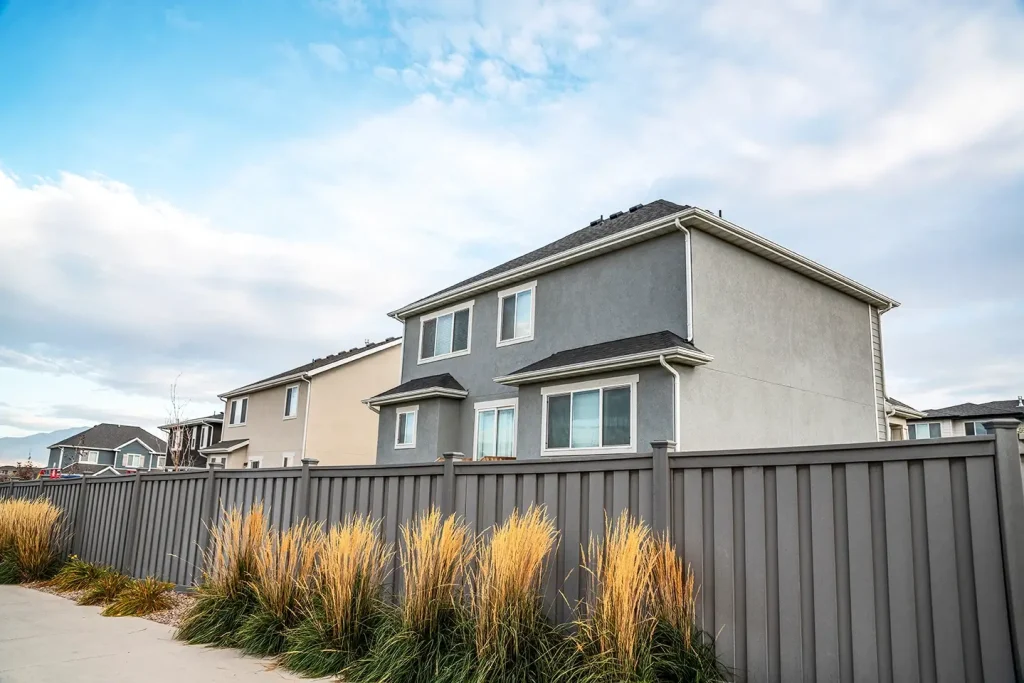
- Backyard fences can often go up to 6 or even 8 feet, depending on the locality.
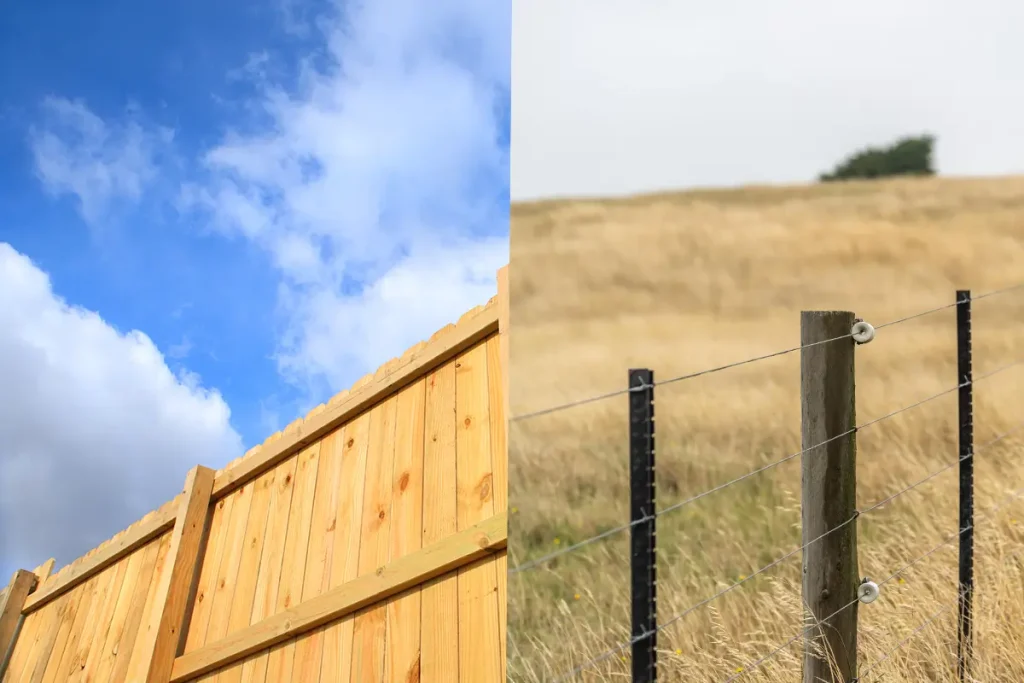
- Chain link, wood, vinyl, and split-rail fences are commonly allowed materials, but barbed wire or electric fences are usually prohibited in residential areas.
Additionally, if you live in a homeowners’ association (HOA), you’ll want to review their specific rules. HOAs can be stricter than local laws, often requiring pre-approval for fence style, color, and materials.
And perhaps most importantly, always confirm your property lines before installation. Installing a fence, even a few inches into your neighbor’s yard, can result in legal disputes and forced removal of your new fence.
Safety Regulations
Virginia law also prioritizes safety, especially when it comes to fences surrounding pools or other potential hazards. If you’re installing a fence around a pool, for example, the Virginia Uniform Statewide Building Code (USBC) requires:
- A minimum fence height of 48 inches
- No more than 4 inches between the bottom of the fence and the ground
- A self-closing, self-latching gate with a locking mechanism
These regulations are in place to protect children, pets, and others from accidents and injuries. Local building inspectors may also require approval for fences near sidewalks or intersections, where visibility is a safety concern.
Have Your Custom Fence Installed by a Professional
While DIY fencing projects might seem like a money-saver, they can lead to unexpected problems if local rules aren’t followed. Hiring a professional fence contractor ensures your fence is built to last and built legally.
At Rugged Fence®, we specialize in custom fence installations for your property. We’ll even work with you through all the legal stuff that comes with installing a fence, so you don’t have to worry about any of those pesky permits, zoning laws, etc. If you work with us at Rugged Fence®, we’ll handle it all!
Contact Rugged Fence® today for a free consultation and make your next fencing project stress-free, compliant, and built to last.